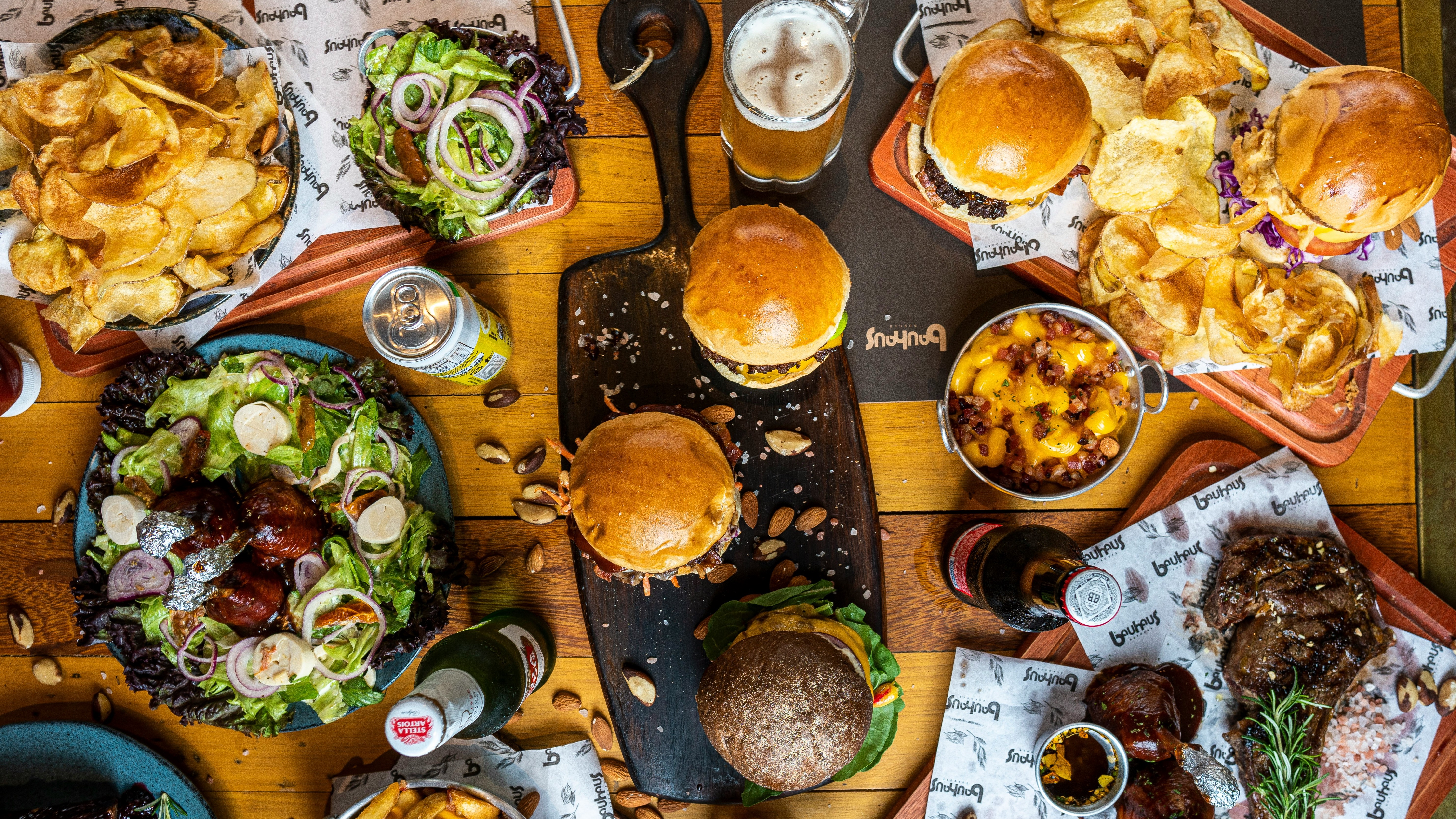
How to break free from moralizing food after age 40
If you’ve ever felt guilty for eating a cookie or virtuous for choosing watercress, you’re not alone. Moralizing food — labelling it as “good” or “bad” — is a deeply ingrained habit in our culture.
But for us (the over-40 crowd), this mindset can sabotage our health goals, increase our stress, and erode our relationship with food. Let’s explore where this came from, why it’s harmful, and how to shift toward a more empowering approach to nutrition.
When Did We Start Moralizing Food?
Food morality has ancient roots. In early religious traditions, food was often tied to purity, discipline, and spiritual virtue. Ancient Greek ethics emphasized temperance, while medieval monastic life used food restriction as moral exercise. Fast forward to the 20th century, and the rise of naturopathy and “clean eating” reframed food choices as reflections of personal virtue. Suddenly, eating “natural” foods wasn’t just healthy — it was righteous.
This moral lens intensified with diet culture, which equated thinness with discipline and indulgence with weakness. Marketing reinforced it: “guilt-free” snacks, “sinful” desserts, and “cheat days” all suggest that food choices reflect moral character.
Why Moralizing Food Is Harmful, Especially After 40
When we grow older, our nutritional needs shift. We may face hormonal changes, slower metabolism or digestion, and/or chronic conditions. But moralizing food doesn’t help us — it hurts us. This is why:
- It fuels guilt and shame. Feeling “bad” for eating something can lead to emotional eating or restriction cycles.
- It disconnects us from our body’s signals. Instead of tuning into hunger, fullness, or satisfaction, we judge food by arbitrary rules.
- It undermines sustainable habits. All-or-nothing thinking (“I was bad today, so I might as well give up”) derails progress.
- It ignores context. A slice of cake at a birthday party isn’t a failure — it’s part of a joyful life.
How to Stop Moralizing Food
You can make the shift from judgment to nourishment. Start by questioning where these beliefs about food came from, and who benefits from them. Then consider trying these tips:
1. Reframe your language
Replace “bad” with “less nourishing” or “occasional.” Say “I chose something satisfying” instead of “I cheated.” Or instead of saying, “I was bad for eating cake,” try “I enjoyed something sweet today.” Words matter. Choose language that reflects curiosity, satisfaction, and self-respect – not punishment.
2. Focus on patterns, not perfection
One meal won’t make or break your health. Instead of scrutinizing every bite, take a broader view. What does your eating look like over the course of a week or month? Are you getting variety, nourishment, and satisfaction most of the time? One indulgent dessert or skipped salad doesn’t undo your progress. Just like one green smoothie doesn’t guarantee health. Progress is built on balance, not extremes.
3. Honour your body’s wisdom
Give intuitive eating a go: notice hunger cues, fullness, and how foods make you feel physically, not morally. Some days you’ll crave comfort, others nourishment, and that’s OK. Respecting these signals without judgment allows you to eat with more ease, compassion, and connection to yourself.
4. Use nutrition as self-care, not punishment
Another thing you can do is to choose foods that support energy, digestion, and mood, not just weight loss. Consider prioritizing meals that energize you, support digestion, stabilize your mood, and leave you feeling satisfied. This might include fiber-rich vegetables, protein for strength, healthy fats for brain function, and meals that bring comfort and connection.
5. Speaking of connection …
Meals are far more than a delivery system for nutrients. They’re a powerful expression of connection and identity. Every dish carries stories: of family traditions, cultural heritage, and celebrations. Sharing food can deepen relationships, mark milestones, and offer a sense of belonging. Whether it’s a holiday feast, a weeknight dinner, or a spontaneous snack with a friend, these moments nourish us emotionally as much as they do physically. When we reduce food to moral value, we miss out on its richness.
The 80/20 Principle
For clients over 40, I often recommend the 80/20 approach: aim for 80% nutrient-dense foods that support your goals, and 20% for enjoyment, flexibility, and life’s spontaneous moments. This is what balance looks like.
Food isn’t a moral test. It’s fuel, joy, and connection. Let’s stop judging our plates and start nourishing our lives instead. We shouldn’t feel badly about consuming something that we need to literally exist: FOOD.
What’s one food you’ve labeled “bad” in the past, and how might you see it differently now? Please share your thoughts in the comments.






Leave a Reply