
These habits might be holding you back, but small shifts can lead you closer to your nutrition goals
Turning 40 (or older!) doesn’t mean your nutrition goals get harder to achieve — it just means they require a more targeted approach. But even the most well-intentioned adults can fall into sneaky traps that stall their progress.
As a nutritionist, I’ve seen adults over 40 who are doing the right things … except for a few things that sabotage their results. Six, in particular. Here are the Top 6 common nutrition mistakes I see in adults over 40 — and how to fix them.
1. Going From 0 to 100 Right Away
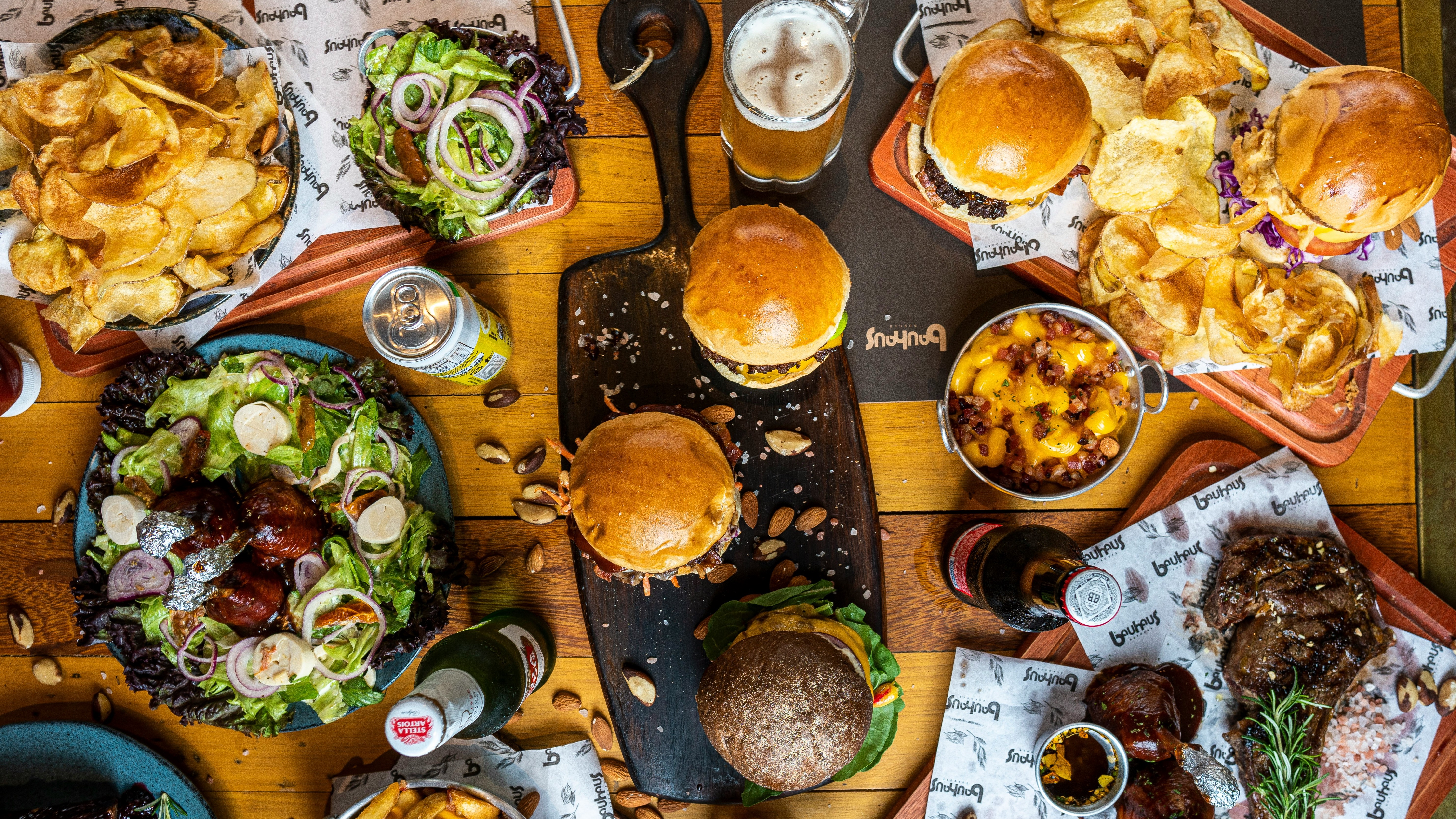
Going on a diet that involves cutting out a bunch of foods right from the start: no chocolate, chips, burgers, fries, cheese, pizza, pasta, etc.
Welcome to Deprivation Nation, where inhabitants may stay for a few days then give in and consume a tub of ice cream, an entire pizza, or bag of onion rings all in one sitting. In other words, you’ll stick to the diet for a few days, think “a bite of this forbidden food won’t hurt” when you’re wanting it, and suddenly you’ve eaten the whole thing. So now not only do you feel terrible for breaking your diet, you’re back to Square 1.
Why it backfires: These approaches rarely teach long-term habits. They often leave you feeling deprived, frustrated, and stuck in a cycle of “on again, off again” eating. This is the problem with diets that advocate cutting out foods (or, god forbid, entire food groups). A deprivation mindset may make you want them even more. So when they cross your path at a party or at the grocery store, you “make up for” the deprivation by eating more of it than you would have wanted.
What to do instead: Trash the diet mentality. Focus on small, sustainable changes — like adding one extra serving of vegetables a day or swapping soda for sparkling water. Want to eat an entire sleeve of cookies? Go ahead, but leave the last one. The next week, if you want another sleeve of cookies, leave the last two. The week after that, eat the sleeve of cookies, leave the last three, but then have a piece of fruit, too.
These shifts are about moving along a continuum, making small and sustainable changes over time, rather than going from 0 to 100 all in one go.
2. Underestimating Protein Needs
As we age, maintaining muscle mass becomes more important, not just for strength, but for metabolism, bone health, and blood sugar control. One study recommended that adults over the age of 30 consume 0.85 – 0.96 grams of protein per kilogram of body weight. For those over 65, another study advised consuming 1.2 – 2.0 grams/kg of body weight daily.
Why it matters: Not consuming enough protein can lead to cravings/feeling hungry or weak, loss of muscle mass, slower metabolism, and brittle hair and nails.
What to do instead: Aim for a source of protein at every meal. Think eggs, Greek yogurt, lentils, chicken, tofu, or fish. You don’t need to go overboard, but being intentional makes a big difference.
3. Skipping Meals (Especially Breakfast)
Whether it’s due to busy mornings or an attempt to “save calories,” skipping breakfast is a common habit. But for us older adults, this can generally backfire.
Why it’s a problem: Skipping meals can lead to low energy, low blood sugar, and overeating later in the day. It can also disrupt your body’s natural rhythm and hunger cues.
What to do instead: Start your day with a balanced breakfast that includes carbs, protein, fiber, and healthy fats. Even something simple like a smoothie or overnight oats can set the stage for better choices all day.
4. Not Drinking Enough Water
Hydration often gets overlooked, but it plays a huge role in digestion, energy, and appetite regulation. Many adults mistake thirst for hunger, leading to unnecessary snacking.
Why it matters: Dehydration can cause fatigue, headaches, and sluggish metabolism.
What to do instead: Keep a water bottle handy and aim for consistent sips throughout the day. Add lemon, cucumber, or mint if plain water feels boring. If you’re looking for a good water bottle, I recommend YETI’s 750 mL/25 oz Yonder water bottle. It’s tough, leak-proof, portable, and dishwasher-safe.
Full disclosure: As an Amazon Associate, I earn from qualifying purchases.
5. Letting Weekends Undo Weekday Progress
You eat well Monday through Friday, then come Saturday, it’s a free-for-all. Sound familiar? This “all-or-nothing” mindset can stall progress and create guilt-ridden cycles.
Why it’s sneaky: Even just two days of overindulgence can offset five days of effort, especially if it becomes a weekly pattern.
What to do instead: Plan for flexibility. Enjoy your favourite foods in moderation, and build in treats that don’t feel like derailments or deprivation. Consistency beats perfection every time.
6. Ignoring Sleep and Stress
Nutrition doesn’t exist in a vacuum. Poor sleep and chronic stress can increase hunger, disrupt hormones, and make healthy eating feel harder than it should be.
Why it’s connected: One study suggests that just one night of sleep deprivation increases ghrelin levels and feelings of hunger in normal-weight healthy men. Ghrelin is a hormone that stimulates appetite. Another hormone, cortisol, also comes into play: this hormone can drive hunger and fat storage, especially around the belly. Cortisol increases the amount of glucose in your bloodstream to fuel your body for “fight or flight” under stress.
What to do instead: Prioritize sleep hygiene and stress-reducing habits like walking, journaling, deep breathing, or speaking with a counsellor. Your nutrition will thank you.
Consistency is the Key
If you’re over 40 and trying to improve your nutrition, the process involves making small, gradual, consistent steps over time. This approach builds sustainable habits, and sustainable results.
And remember: mistakes are proof you’re trying. They’re just bumps in the road, and with a little awareness and support, you can overcome them.
Want More Like This?
Download my free The 5-Day Midlife Nutrition Reset:






Leave a Reply